Books

Books

[LIVE] Coronavirus Pandemic: Real Time Counter, World Map, News

14 May 2010

7 THINGS TO STOP DOING NOW ON FACEBOOK


i) Using a Weak Password

Avoid simple names or words you can find in a dictionary, even with numbers tacked on the end. Instead, mix upper- and lower-case letters, numbers, and symbols. A password should have at least eight characters. One good technique is to insert numbers or symbols in the middle of a word, such as this variant on the word "houses": hO27usEs!


ii) Leaving Your Full Birth Date in Your Profile

It's an ideal target for identity thieves, who could use it to obtain more information about you and potentially gain access to your bank or credit card account. If you've already entered a birth date, go to your profile page and click on the Info tab, then on Edit Information. Under the Basic Information section, choose to show only the month and day or no birthday at all.


iii) Overlooking Useful Privacy Controls

For almost everything in your Facebook profile, you can limit access to only your friends, friends of friends, or yourself. Restrict access to photos, birth date, religious views, and family information, among other things. You can give only certain people or groups access to items such as photos, or block particular people from seeing them. Consider leaving out contact info, such as phone number and address, since you probably don't want anyone to have access to that information anyway.


iv) Posting Your Child's Name in a Caption

Don't use a child's name in photo tags or captions. If someone else does, delete it by clicking on Remove Tag. If your child isn't on Facebook and someone includes his or her name in a caption, ask that person to remove the name.


v) Mentioning That You'll Be Away From Home

That's like putting a "no one's home" sign on your door. Wait until you get home to tell everyone how awesome your vacation was and be vague about the date of any trip.


vi) Letting Search Engines Find You

To help prevent strangers from accessing your page, go to the Search section of Facebook's privacy controls and select Only Friends for Facebook search results. Be sure the box for public search results isn't checked.


vii) Permitting Youngsters to Use Facebook Unsupervised

Facebook limits its members to ages 13 and over, but children younger than that do use it. If you have a young child or teenager on Facebook, the best way to provide oversight is to become one of their online friends. Use your e-mail address as the contact for their account so that you receive their notifications and monitor their activities. "What they think is nothing can actually be pretty serious," says Charles Pavelites, a supervisory special agent at the Internet Crime Complaint Center. For example, a child who posts the comment "Mom will be home soon, I need to do the dishes" every day at the same time is revealing too much about the parents' regular comings and goings.


From : http://finance.yahoo.com/family-home/article/109538/7-things-to-stop-doing-now-on-facebook

13 May 2010

Memo to boss: 11-hour days are bad for the heart

Kerja banyak dan lama sangat pun tidak baik untuk kesihatan. Bila dah sakit kena masuk wad hospital, jumpa doktor dan makan ubat. Kerja pun tak boleh.... kena ambil m.c. !!

***************************************

By Ben Hirschler
LONDON - People working 10 or 11 hours a day are more likely to suffer serious heart problems, including heart attacks, than those clocking off after seven hours, researchers said on Tuesday.

The finding, from an 11-year study of 6,000 British civil servants, does not provide definitive proof that long hours cause coronary heart disease but it does show a clear link, which experts said may be due to stress.
In all, there were 369 cases of death due to heart disease, non-fatal heart attacks and angina among the London-based study group -- and the risk of having an adverse event was 60 percent higher for those who worked three to four hours overtime.

Working an extra one to two hours beyond a normal seven-hour day was not associated with increased risk.
"It seems there might a threshold, so it is not so bad if you work another hour or so more than usual," said Dr Marianna Virtanen, an epidemiologist at the Finnish Institute of Occupational Health and University College London.
The higher incidence of heart problems among those working overtime was independent of a range of other risk factors including smoking, being overweight or having high cholesterol.

But Virtanen said it was possible the lifestyle of people working long hours deteriorated over time, for example as a result of poor diet or increased alcohol consumption.

More fundamentally, long hours may be associated with work-related stress, which interferes with metabolic processes, as well as "sickness presenteeism," whereby employees continue working when they are ill.
Virtanen and colleagues published their findings in the European Heart Journal.

Commenting on the study, Gordon McInnes, professor of clinical pharmacology at the University of Glasgow's Western Infirmary, said the findings could have widespread implications for doctors assessing patients' heart risks.

"If the effect is truly causal, the importance is much greater than commonly recognized. Overtime-induced work stress might contribute to a substantial proportion of cardiovascular disease," he said.

01 May 2010

What does your sleep position reveal about your personality?

These days, the way that I sleep simply says, "I am happy to be single and spending five to seven hours sprawled out in the center of my bed alone."

At other points, my tightly squeezed eyes and curled-up body would have screamed, "I know the baby will wake up/someone will start snoring/the alarm will begin blaring as soon as I finally, finally, finally get to sleep."

Years and years ago, the corpse-looking college student still in her clothes would have mumbled something like, "Finals. Boys. Beer."

Our lives, the amount of sleep we get, and how well we actually rest during those nighttime hours may change drastically over time. However, one sleep researcher says that our body position in bed could say something about who we are, not just what else is happening in our lives.

Professor Chris Idzikowski, director of the Sleep Assessment and Advisory Service, says that a study of 1,000 Brits revealed that the six most common sleeping positions are indicative of personality types.

If this sounds ridiculous (and honestly, I'd love to see information on this study and the analysis fleshed out further than any of the reports I could find), consider that Idzikowski says it comes down to body language.
"We are all aware of our body language when we are awake but this is the first time we have been able to see what our subconscious posture says about us," Idzikowski said. "What's interesting is that the profile behind the posture is often very different from what we would expect."
The research also links certain sleeping positions with health risks. Some aid digestion while others spur on snoring and restlessness.
Here are the six common sleeping positions and correlated personality traits and health implications, according to this study.

[graphic via BBC.com]
  • Fetus position - A whopping 41% of participants sleep in this curled-up manner. Women are twice as likely to rest like this and it is listed as the most common position. These sleepers are said to have a tough exterior but are still sensitive and may appear to be shy but warm up quickly.
  • Log position - If you sleep on your side with both arms down, you are a social, easy-going person who is trusting, sometimes to the point of being gullible. The study showed 15% of people sleep like a log.
  • Yearner position - A close third is the side-lying position with both arms out in front of the body, with 13% of partipants sleeping like this. Yearners are noted to be open-minded and still cynical, suspicious, and stubborn about sticking to decisions once they are made.
  • Soldier position - These sleepers lie on their backs with arms down and kept close to the body. This 8% study is said to be reserved, quiet, without fuss, and hold themselves and others to a high standard. Soldier sleepers have a higher likelihood for snoring due to the flat-back position, which may not cause them to wake up often but may result in a less restful night's sleep.
  • Freefall position - Those people who lie on their bellies with arms under or wrapped around a pillow with head turned to the side, make up 7% of the population studied. Freefallers are brash, outgoing, and are very uncomfortable with criticism. 
  • Starfish position - Sleepers who lie on their backs with arms up near their head or the pillow account for 5% of participants. These people are good listeners, helpful, and are uncomfortable being the center of attention. People who sleep in starfish position are more likely to snore and to suffer from a poor night's sleep more often.
If you think you are one of those people who move through all of these positions, that's not likely to really be the case. Idzikowski said the research reveals most people stay in the same position all night and only 5% lay differently night by night. Also interesting is that the study showed only one in ten people cover their bodies entirely with a blanket, with most people exposing an arm, leg, or both feet.

Rujukan : http://shine.yahoo.com/channel/health/what-does-your-sleep-position-reveal-about-your-personality-1338293/

29 April 2010

Langkawi's Natural Attractions

Langkawi is home to Malaysia's legends and a gift of mother nature to its inhabitants. Covered in mystery and natural beauty, the coast-side island is filled with natural attractions and cultural history. Here's a list of the best attractions in this beautiful little island!
Photo credits - Ewan M

Pantai Cenang - Island Hopping

Start your morning with breakfast at Pantai Cenang, Langkawi's most popular beach. Don't forget to try out some of Malaysia's local cuisine, such as the nasi lemak (literally, "rice in cream"). This name is derived from the cooking process of nasi lemak, where the rice is soaked and cooked in coconut cream, giving it more fragrance and flavor to the rice. Combined with ikan bilis (anchovies), peanuts, eggs and a spicy sambal, this is a full-filing combination to get you through the day.
Spend some time enjoying the white sandy beaches at Pantai Cenang, and immerse yourself in the various water sports available here. Go swimming, hire a jet ski, go parasailing or hop on a banana boat. You can also go island hopping to nearby islands, such as Pulau Rebak Kecil and Pulau Rebak Besar.
Photo credits - Khalzuri

Langkawi Geopark

Hop into a cable car to the very top of Mount Mat Cincang at the Langkawi Geopark. Here, you can take in the breathtaking views at the two viewing platforms and head over to the 125-metre bridge suspended 700m above sea level for a bigger thrill. The Geopark is also home to various other attractions, such as Elephant Rides, Reptile Encounters as well as home to the Ninth Tiger Sub-species - the Malayan Tiger.
Another major attraction at the top of Mount Mat Cincang is the Telaga Tujuh Waterfall (Seven Wells). Seven pools whose water flow into each other creates a mesmerizing picture for you to enjoy. Dip into the pool for a relaxing laize-faire afternoon.
Photo credits - kaeru.my

Kuah Town

Kuah Town is Langkawi's main town, as well as the entry point for ferry from either the mainland or from Penang. The town isn't really all that big, but you'll be able to do some shopping over at the Eagle Square (Dataran Lang), the Langkawi Fair or at the various bazaars at the center of Kuah. This is a great place to pick up batik, local handicrafts and duty free goods.

The name "Kuah" comes from the malay word for ketchup, soup or gravy, this is owing to the local legend that the town arose from a cup of gravy spilled on the land by two giants fighting.

Enjoyed this article? Visitors to Malaysia would do well to check out our other articles on the country, such as Kuala Lumpur attractions, cruising holidays in Malaysia and the beautiful Redang Island!


From : http://malaysia.travel.yahoo.com/inspirations/41-langkawis-natural-attractions

05 April 2010

Save power, save money: 6 easy tips to reduce your electricity usage and bills

There are a bunch of little tricks you can employ to cut back on power consumption at home—which not only has environmental benefits but keeps you from wasting cash too—and it's highly unlikely you'll even notice a difference. Between the National Resources Defense Council's site and powerscorecard.org I found some really good tips. Here's a re-cap of six simple, painless ways to cut back:

1. Check this: refrigerators suck up a whopping 20% of your household electricity use. Time to turn them down! Aim for somewhere between 38-42 degrees in the fridge, and 0-5 degrees in the freezer. If you've got an energy saver switch, make sure it's flipped on. Doors should be sealed tight: to test, stick a dollar bill between the gaskets and close the fridge door; if the bill is hard to pull out you're in good shape. If not, it's time to replace the gaskets.

2. Wash only full loads in your dishwasher (yet another reason to learn to pack them efficiently!), and if you have time, let them air dry by turning off the drying cycle manually—this can save 20% of your dishwasher's total electricity usage.

3. Don't use hot water when doing the laundry. If you must, try warm water, though in most cases cold is probably just fine. Make sure that the amount of water you're using corresponds with the size of your laundry load.

4. Lower the temperature of your water thermostat to 120-130 degrees (any lower than that might backfire on you, since you might end up running out of hot water).

5. Clean your air filters regularly. Air conditioners have to work a lot harder to circulate air through filthy filters, which is a totally unnecessary electricity drain.

6. And while you're sitting in front of the computer, turn on the sleep mode, so it's less of a power drain when you're not using it. Windows users can do this via the control panel, while Mac users can find energy saving settings under system preferences in the apple menu. 
Refer : http://shine.yahoo.com/event/haven/save-power-save-money-6-easy-tips-to-reduce-your-electricity-usage-and-bills-1243446/

22 March 2010

10 Places NOT to Use Your Debit Card

by Dana Dratch
Friday, March 19, 2010
provided by
creditcards.jpg
Debit cards have different protections and uses. Sometimes they're not the best choice.

Sometimes reaching for your wallet is like a multiple choice test: How do you really want to pay?

While credit cards and debit cards may look almost identical, not all plastic is the same.
"It's important that consumers understand the difference between a debit card and a credit card," says John Breyault, director of the Fraud Center for the National Consumers League, a Washington, D.C.-based advocacy group. "There's a difference in how the transactions are processed and the protections offered to consumers when they use them."

While debit cards and credit cards each have advantages, each is also better suited to certain situations. And since a debit card is a direct line to your bank account, there are places where it can be wise to avoid handing it over -- if for no other reason than complete peace of mind.

Here are 10 places and situations where it can pay to leave that debit card in your wallet:

1. Online
"You don't use a debit card online," says Susan Tiffany, director of consumer periodicals for the Credit Union National Association. Since the debit card links directly to a checking account, "you have potential vulnerability there," she says.

Her reasoning: If you have problems with a purchase or the card number gets hijacked, a debit card is "vulnerable because it happens to be linked to an account," says Linda Foley, founder of the Identity Theft Resource Center. She also includes phone orders in this category.

The Federal Reserve's Regulation E  (commonly dubbed Reg E), covers debit card transfers. It sets a consumer's liability for fraudulent purchases at $50, provided they notify the bank within two days of discovering that their card or card number has been stolen.

Most banks have additional voluntary policies that set their own customers' liability with debit cards at $0, says Nessa Feddis, vice president and senior counsel for the American Bankers Association.

But the protections don't relieve consumers of hassle: The prospect of trying to get money put back into their bank account, and the problems that a lower-than-expected balance can cause in terms of fees and refused checks or payments, make some online shoppers reach first for credit cards.

2. Big-Ticket Items
With a big ticket item, a credit card is safer, says Chi Chi Wu, staff attorney with the National Consumer Law Center. A credit card offers dispute rights if something goes wrong with the merchandise or the purchase, she says.

"With a debit card, you have fewer protections," she says.

In addition, some cards will also offer extended warrantees. And in some situations, such as buying electronics or renting a car, some credit cards also offer additional property insurance to cover the item.
Two caveats, says Wu. Don't carry a balance. Otherwise, you also risk paying some high-ticket interest. And "avoid store cards with deferred interest," Wu advises.

3. Deposit Required
When Peter Garuccio recently rented some home improvement equipment at a big-box store, it required a sizable deposit. "This is where you want to use a credit card instead of a debit," says Garuccio, spokesman for the national trade group American Bankers Association.

That way, the store has its security deposit, and you still have access to all of the money in your bank account. With any luck, you'll never actually have to part with a dollar.

4. Restaurants
"To me, it's dangerous," says Gary Foreman, editor of the frugality minded Web site The Dollar Stretcher. "You have so many people around."

Foreman bases his conclusions on what he hears from readers. "Anecdotally, the cases that I'm hearing of credit or debit information being stolen, as often as not, it's in a restaurant," he says.
The danger: Restaurants are one of the few places where you have to let cards leave your sight when you use them. But others think that avoiding such situations is not workable.

The "conventional advice of 'don't let the card out of your sight' -- that's just not practical," says Tiffany.
The other problem with using a debit card at restaurants: Some establishments will approve the card for more than your purchase amount because, presumably, you intend to leave a tip. So the amount of money frozen for the transaction could be quite a bit more than the amount of your tab. And it could be a few days before you get the cash back in your account.

5. You're a New Customer
Online or in the real world, if you're a first-time customer in a store, skip the debit card the first couple of times you buy, says Breyault.

That way, you get a feel for how the business is run, how you're treated and the quality of the merchandise before you hand over a card that links to your checking account.

6. Buy Now, Take Delivery Later
Buying now but taking delivery days or weeks from now? A credit card offers dispute rights that a debit card typically does not.

"It may be an outfit you're familiar with and trust, but something might go wrong," says Breyault, "and you need protection."

But be aware that some cards will limit the protection to a specific time period, says Feddis. So settle any problems as soon as possible.

7. Recurring Payments
We've all heard the urban legend about the gym that won't stop billing an ex-member's credit card. Now imagine the charges aren't going onto your card, but instead coming right out of your bank account.
Another reason not to use the debit card for recurring charges: your own memory and math skills. Forget to deduct that automatic bill payment from your checkbook one month, and you could either face fees or embarrassment (depending on whether you've opted to allow overdrafting or not). So if you don't keep a cash buffer in your account, "to protect yourself from over-limit fees, you may want to think about using a credit card" for recurring payments, says Breyault.

8. Future Travel
Book your travel with a check card, and "they debit it immediately," says Foley. So if you're buying travel that you won't use for six months or making a reservation for a few weeks from now, you'll be out the money immediately.

Another factor that bothers Foley: Hotels aren't immune to hackers and data breaches, and several name-brand establishments have suffered the problem recently. Do you want your debit card information "to sit in a system for four months, waiting for you to arrive?" she asks. "I would not."

9. Gas Stations and Hotels
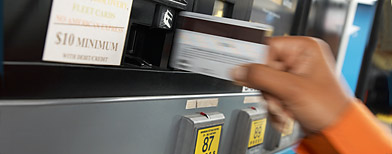
This one depends on the individual business. Some gas stations and hotels will place holds to cover customers who may leave without settling the entire bill. That means that even though you only bought $10 in gas, you could have a temporary bank hold for $50 to $100, says Tiffany.

Ditto hotels, where there are sometimes holds or deposits in the hundreds to make sure you don't run up a long distance bill, empty the mini bar or trash the room. The practice is almost unnoticeable if you're using credit, but can be problematic if you're using a debit card and have just enough in the account to cover what you need.

At hotels, ask about deposits and holds before you present your card, says Feddis. At the pump, select the pin-number option, she says, which should debit only the amount you've actually spent.

10.  Checkouts or ATMs That Look 'Off'
Criminals are getting better with skimmers and planting them in places you'd never suspect -- like ATM machines on bank property, says Foley.

So take a good look at the machine or card reader the next time you use an ATM or self-check lane, she advises. Does the machine fit together well or does something look off, different or like it doesn't quite belong? Says Foley, "Make sure it doesn't look like it's been tampered with."


From : http://finance.yahoo.com/banking-budgeting/article/109125/10-places-not-to-use-your-debit-card?mod=bb-checking_savings

02 March 2010

Amuk Cuaca

Oleh Rohaniza Idris


Kejadian El Nino Modoki celarukan cuaca dunia, penyebab bencana alam

KALI pertama masyarakat Malaysia mendengar perkataan El Nino kira-kira 14 tahun lalu, iaitu ketika El Nino yang disifatkan paling teruk melanda negara dan rantau ini. Ia menyebabkan jerebu, kemarau dan kepanasan melampau dengan suhu meningkat melebihi 40 darjah Celsius.

Ketika itu, ramai yang ketawa dan mempersendakan namanya biarpun ia jelas mencetuskan kebimbangan pihak terutama saintis, pakar kaji cuaca dan alam sekitar dunia. Kali ini El Nino muncul lagi. Amukannya menyebabkan cuaca dunia tidak menentu dan tempoh yang sepatutnya disifatkan stabil sebaliknya terus dilingkari keadaan kemarau, banjir dan ribut salji.


Lebih membimbangkan, menurut pakar kaji cuaca, El Nino akan terus bertambah buruk bagi tahun-tahun mendatang. Fenomena El Nino yang muncul setiap dua hingga tujuh tahun di selatan Pasifik, menunjukkan tanda-tanda cuaca dunia sudah semakin celaru. Apa tidaknya, kesannya boleh dilihat menerusi kejadian bencana alam di seluruh dunia, merosakkan tanaman bagi dua tahun berturut-turut dan menimbulkan kekecohan dalam pasaran komoditi dunia.

Menurut pakar kaji cuaca dunia, tahun 1997-1998, adalah El Nino terburuk dicatatkan dalam tempoh 150 tahun. Malah kejadian El Nino pada 1998 menyebabkan kerugian melebihi RM15 bilion di seluruh dunia dengan Malaysia saja mencatat kerugian hampir RM1 bilion.

Sebelum peristiwa 1997-98, El Nino yang paling teruk dicatatkan pada 1982-83, dalam tempoh 100 tahun, membawa bersamanya cuaca buruk yang mendatangkan kerosakan di 15 negara, dianggarkan kerugian pada AS$13 bilion (RM37.7 bilion) dan membunuh 2,000 orang.
KEADAAN cuaca panas pada awal pagi di Lebuhraya Persekutuan di ibu negara, Isnin lalu.
Tahun ini, fenomena yang sama kembali berulang, namun saintis menjangkakan kali ini tidak seteruk 1997-98 kerana ia dikategorikan sebagai El Nino Modoki, iaitu kategori sederhana.

Ketua Seksyen Analisis Cuaca, Pusat Penyelidikan Atmosfera di Boulder, Colorado, Amerika Syarikat, Dr Kevin E Trenberth berkata, fenomena El Nino kali ini tidak seburuk 1997-98 tetapi hampir menyamai fenomena pada 1982-83.

"Itu sebab di sesetengah negara seperti Australia, ada kawasan yang hujan lebat dengan ribut yang boleh membawa banjir dan sebahagiannya pula kering, begitu juga beberapa kawasan di Tahiti dan Amerika Selatan yang mengalami ribut dan banjir," katanya.

Pakar kaji cuaca tempatan, Profesor Dr Fredolin Tangang yang juga Profesor dan Ketua Pusat Penyelidikan Sistem Perubahan Iklim Tropika, UKM, berkata El Nino yang dialami sekarang disebabkan kehadiran El Nino yang bermula sejak Jun tahun lalu. Ia kini ia berada di fasa puncak dan mula menurun yang diramal berakhir April nanti. Namun, El Nino kali ini boleh dikatakan dalam kategori lemah atau sederhana.
KEBAKARAN hutan di Seri Gombak merebak hingga menghampiri kawasan perumahan.
Beliau yang juga Naib Pengerusi Kumpulan Kerja 1, Panel Perubahan Iklim Antara Kerajaan (IPCC), Pertubuhan Bangsa-Bangsa Bersatu (PBB) berkata, corak peningkatan suhu di lautan pasifik ini mengkategorikan El Nino kali ini kepada jenis 'El Nino Modoki'. 'Modoki' adalah perkataan Jepun yang bermaksud serupa tetapi berbeza. El Nino jenis biasa menunjukkan peningkatan suhu permukaan laut maksimum di bahagian timur Lautan Pasifik dan bukan di bahagian tengah.

"Apabila El Nino Modoki berlaku kesannya lebih dirasai di Semenanjung berbanding Sabah dan Sarawak pada musim puncak iaitu Januari hingga April. El Nino 'biasa' membawa impak yang lebih kuat di Sabah dan Sarawak pada musim ini berbanding Semenanjung," katanya.

Selain Malaysia, kesan yang sama atau lebih teruk dirasai di negara lain sama ada di rantau ini dan benua lain di lautan Pasifik. Di Filipina, El Nino memberi kesan kepada 100,000 petani di wilayah utara, tengah dan selatan Mindanao yang terbabit dengan industri tanaman padi dan jagung di negara berkenaan.

Jabatan Pertanian negara itu, menganggarkan tanah seluas 4,643 hektar untuk sawah padi dan 8,900 hektar jagung terjejas teruk akibat cuaca panas dan musim kemarau kesan El Nino. Kerajaan itu menjangkakan pengeluaran beras menurun kepada 800,000 tan apabila musim tuaian untuk suku pertama tahun ini menurun sebanyak 1.7 peratus berbanding tahun lalu dengan 7.25 juta tan.

Di Indonesia pula dijangkakan lebih banyak kebakaran hutan akan berlaku selain meningkatkan aktiviti pembakaran terbuka selepas musim menuai berakhir bulan depan.

Awal bulan ini, kira-kira 50 negeri di Amerika Syarikat terus diliputi salji walaupun sepatutnya musim sejuk sudah pun berada di penghujungnya. Seorang penyelidik Universiti Oklahoma, berkata kejadian semua negeri Amerika dilanda salji pada masa ini sememangnya pelik. Ini kerana kebiasaannya, awal Februari hanya 40 atau 50 peratus wilayah negara itu yang bersalji.

Di China, cuaca sejuk dan salji tebal berlaku di tengah dan timur negara berkenaan awal tahun ini. Keadaan cuaca melampau terburuk sejak 16 tahun lalu, menyebabkan kerugian ekonomi berjumlah 311 juta yuan (RM140.5 juta) di wilayah tengah Hubei dan Hunan.

Apakah El Nino boleh dikesan jauh lebih awal? Laporan Penilaian Perubahan Iklim Keempat Panel Perubahan Iklim Antara Kerajaan (IPCC) yang diterbitkan pada 2007, misalnya menyatakan pemanasan global boleh menjadikan fenomena El Nino lebih kerap dan kuat di dekad mendatang dan juga ada kemungkinan sistem interaksi atmosfera-lautan di Lautan Pasifik `terkunci' kepada keadaan El Nino.

Pakar kaji cuaca dunia percaya amaran awal fenomena cuaca boleh dikeluarkan 14 bulan sebelum El Nino melanda negara di sekitar lautan Pasifik dan memberi kesan kepada cuaca di benua Afrika dan Eropah.

Pada masa ini, saintis hanya mengeluarkan amaran fenomena berkenaan beberapa bulan sebagai persediaan kepada petani dan nelayan yang terkesan teruk daripada fenomena berkenaan.

Malah, ramalan atau jangkaan yang diberikan saintis atau pakar kaji cuaca sering tersasar sejak kebelakangan ini apabila tidak sama dengan keadaan sebenar fenomena berkenaan berlaku. Mereka percaya, perubahan cuaca global mempengaruhi fenomena El Nino dan keadaan cuaca yang lain.

Pakar Kaji Cuaca di Institut Penyelidikan Perubahan Global di Yokohama, Jepun, Takeshi Izumo percaya amaran kehadiran El Nino boleh dikesan lebih awal berdasarkan perubahan yang berlaku di Lautan Hindi.

Perubahan El Nino pertama kali dikenal pasti pada tahun 1999 dan ia dikesan berlaku setiap dua tahun sekali, malah, analisis rekod cuaca 1981 hingga 2009 mendapati bahawa ketika apa yang disebut Indian Ocean Dipole berada dalam fasa "negatif" iaitu dengan air panas di barat dan dingin di timur - maka peristiwa El Nino di Pasifik akan berlaku pada tahun berikutnya.

El Nino dan Malaysia

  • El Nino yang dikawal oleh Lautan Pasifik. Walaupun Malaysia begitu jauh daripada lautan itu tetapi ia masih boleh memberi kesan kepada negara kerana Malaysia terletak di kawasan benua maritim di tengah, antara dua lautan besar iaitu Lautan Hindi dan Lautan Pasifik. Dalam keadaan normal, kawasan ini mempunyai tekanan udara rendah berbanding di bahagian timur dan tengah Lautan Pasifik.
  • Kelembapan udara akan bertumpu ke kawasan ini dan ini merancakkan proses perolakan dan pembentukan awan. Bagaimanapun, apabila El Nino berlaku, pemanasan di bahagian tengah dan timur Lautan Pasifik menyebabkan tekanan di kawasan ini menjadi rendah berbanding di kawasan rantau benua maritim.
  • Ini menyebabkan kelembapan akan bergerak ke bahagian tengah dan timur Lautan Pasifik menjadikan atmosfera di kawasan kita kering, stabil dan proses perolakan yang minimum. Imej satelit terkini menunjukkan kawasan di rantau benua maritim termasuk Malaysia kurang berawan berbanding di bahagian tengah Lautan Pasifik.
  • El Nino adalah fenomena semula jadi berskala besar akibat interaksi lautan dan atmosfera dan tiada teknologi yang boleh menghalang fenomena ini. Kekerapan ia berlaku adalah sekali dalam dua hingga tujuh tahun. Bagaimanapun kegiatan manusia terutama corak guna tanah boleh meningkatkan lagi impak fenomena ini.
  • Kegiatan manusia juga menerusi pembebasan gas rumah hijau yang menyebabkan pemanasan global juga boleh mempengaruhi corak dan kelakuan El Nino.
  • Menurut Laporan Penilaian Perubahan Iklim Keempat Panel Perubahan Iklim Antara Kerajaan (IPCC) yang diterbitkan pada 2007, pemanasan global boleh menjadikan fenomena El Nino lebih kerap dan kuat di dekad mendatang dan juga ada kemungkinan sistem interaksi atmosfera-lautan di Lautan Pasifik menjadi `terkunci' kepada keadaan El Nino.
  • Negara pernah mencatat suhu tertinggi 41.1 darjah Celsius di Chuping, Perlis pada 1998, sehingga menyebabkan kemarau panjang di sebahagian kawasan di negara ini. Namun, sejarah catatan suhu tertinggi itu masih kekal.
  • Catatan cuaca kini yang paling tinggi ialah antara 34 hingga 36 darjah Celsius dan masih dianggap fenomena biasa setiap Februari hingga Mac, setiap tahun.


INFO: El Nino
  • Dinamakan anak Jesus dalam bahasa Sepanyol (El Nino bermakna `The Boy' atau `The Child' (budak lelaki)) kerana ia mencapai puncak kuasanya sekitar perayaan Krismas.
  • Nelayan ikan bilis Peru sudah arif benar dengan fenomena El Nino (Christ Child) kerana ia memuncak sekitar sambutan Krismas. Tangkapan mereka menurun kerana air laut sejuk di perairan Peru menyebabkan ikan bilis berpindah ke kawasan lain. 

Rujukan : http://www.bharian.com.my/Current_News/BH/Sunday/Bmdua/20100228065340/Article